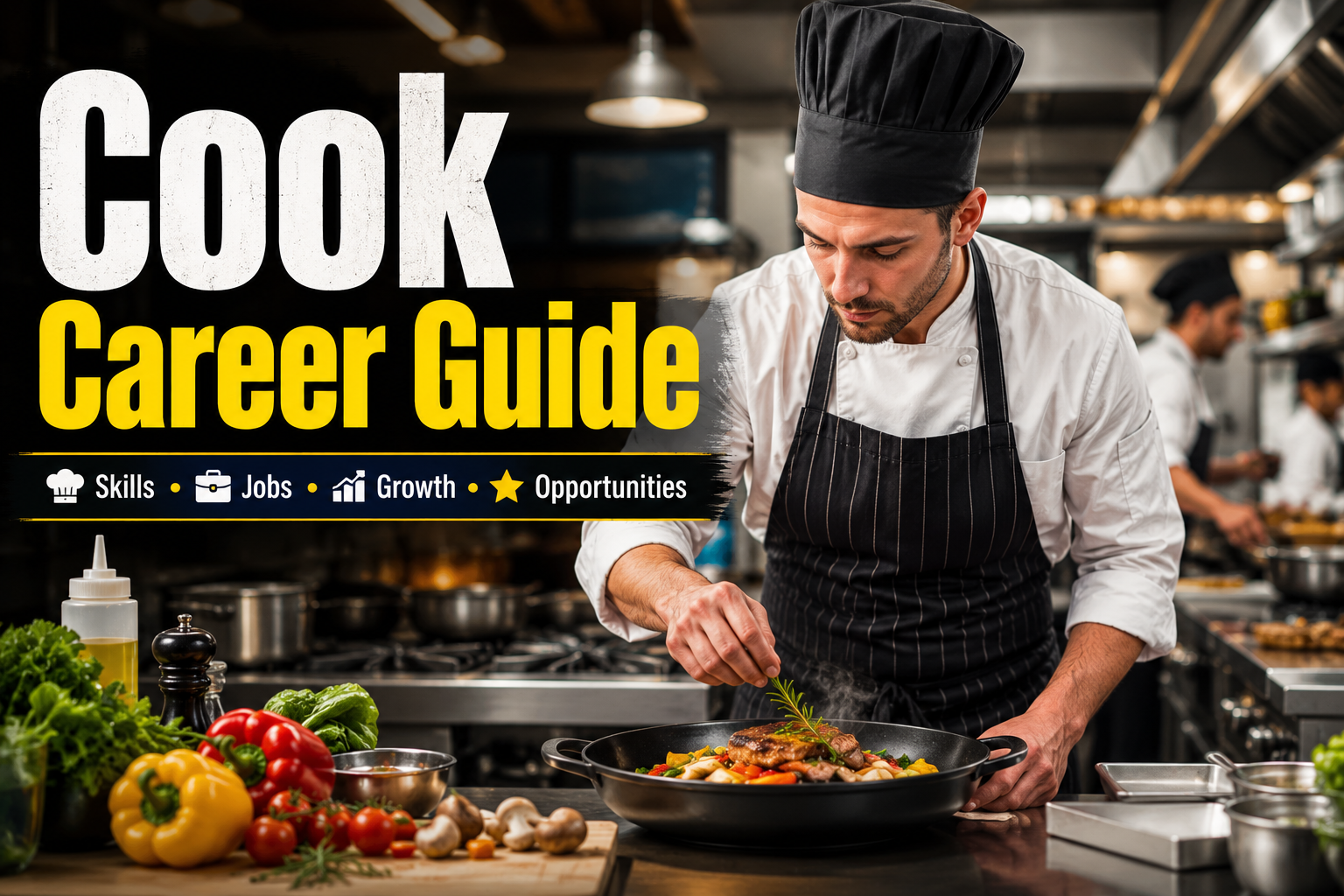
The food service industry is one of the largest employment sectors in Canada, offering a variety of career opportunities for individuals who enjoy cooking, creativity, and working in a fast-paced environment. Among these roles, cooks play a vital part in delivering high-quality meals and ensuring customer satisfaction.
Whether you’re considering a career in the restaurant industry or looking for your next job opportunity, becoming a cook can be a rewarding and stable profession. This guide explores the responsibilities, qualifications, salary expectations, and career opportunities available to cooks in Canada.
What Does a Cook Do?
A cook is responsible for preparing, cooking, and presenting food according to restaurant standards. They work closely with kitchen staff to ensure meals are prepared efficiently while maintaining quality, safety, and cleanliness.
Cooks may work in:
- Restaurants
- Cafés
- Hotels
- Catering companies
- Retirement homes
- Hospitals
- Resorts and tourism establishments
Their work directly impacts customer satisfaction and the overall dining experience.
Key Responsibilities of a Cook
Preparing and Cooking Meals
One of the primary duties of a cook is preparing complete meals or individual dishes according to recipes and restaurant standards. This requires knowledge of cooking techniques, ingredients, and food presentation.
Maintaining Food Quality
Cooks ensure that every meal meets quality expectations before it reaches the customer. This includes checking taste, appearance, portion sizes, and freshness.
Inspecting Kitchen and Food Service Areas
Maintaining a clean and organized kitchen is essential. Cooks regularly inspect workstations, equipment, and food preparation areas to ensure compliance with health and safety regulations.
Training Kitchen Staff
Experienced cooks often assist in training junior staff on food preparation methods, kitchen procedures, and safe food handling practices.
Managing Inventory
Monitoring food supplies and kitchen inventory helps prevent shortages and reduce waste. Cooks may assist with ordering ingredients and maintaining accurate records.
Cleaning and Sanitizing Work Areas
Food safety is a top priority in any kitchen. Cooks are responsible for cleaning equipment, utensils, and workstations to maintain a hygienic environment.
Skills Required to Become a Successful Cook
Employers value candidates who possess both technical and soft skills.
Attention to Detail
Preparing meals consistently requires accuracy in measurements, cooking times, and presentation.
Ability to Work Under Pressure
Restaurants can become extremely busy during peak hours. Successful cooks remain calm and focused while handling multiple orders.
Time Management
Managing preparation, cooking, and plating efficiently is crucial to maintaining service speed and customer satisfaction.
Physical Stamina
Cooks spend long hours standing, moving around the kitchen, lifting supplies, and working near hot equipment.
Teamwork and Communication
A professional kitchen depends on strong communication between cooks, servers, supervisors, and other staff members.
Food Safety Knowledge
Understanding proper food handling, storage, and sanitation procedures is essential for preventing contamination and ensuring customer safety.
Education and Experience Requirements
Many cook positions do not require formal education. Employers often focus on practical experience and culinary skills.
Typical requirements include:
- Ability to communicate in English
- Previous cooking experience (1–2 years preferred)
- Knowledge of food preparation techniques
- Understanding of food safety regulations
- Ability to work flexible schedules, including evenings and weekends
Hands-on experience is often more valuable than formal qualifications in entry-level and mid-level cooking roles.
Work Environment
Restaurant kitchens are energetic and fast-paced workplaces where teamwork and efficiency are essential.
Common working conditions include:
- Standing for extended periods
- Working under pressure during busy meal services
- Repetitive food preparation tasks
- Exposure to heat, steam, and kitchen equipment
- Evening, weekend, and holiday shifts
Despite the challenges, many cooks enjoy the dynamic nature of the job and the opportunity to develop their culinary skills.
Salary Expectations in Canada
Cook salaries vary based on location, experience, and employer.
Typical hourly wages include:
| Experience Level | Average Hourly Rate |
|---|---|
| Entry-Level Cook | $16 – $18 |
| Experienced Cook | $18 – $25 |
| Senior Cook/Chef | $25+ |
Many employers also provide additional benefits such as staff meals, training opportunities, and career advancement programs.
Career Growth Opportunities
A cooking position can serve as a foundation for long-term career growth in the hospitality industry.
Potential career paths include:
Line Cook
Specializing in specific cooking stations and menu preparation.
Sous Chef
Assisting the head chef with kitchen operations and staff management.
Head Chef
Leading kitchen teams, menu development, and food quality control.
Restaurant Manager
Managing restaurant operations, staff, customer service, and budgeting.
Catering Specialist
Preparing meals for events, corporate functions, and private gatherings.
With experience, dedication, and additional culinary training, cooks can advance into leadership positions and significantly increase their earning potential.
Why Choose a Career as a Cook?
A cooking career offers more than just employment. It provides opportunities to learn valuable skills, express creativity, and work in a profession that is always in demand.
Benefits include:
- Strong job demand across Canada
- Opportunities for career advancement
- Development of practical culinary skills
- Flexible work schedules
- Creative and rewarding work environment
- Ability to work in diverse hospitality settings
For individuals passionate about food and customer satisfaction, cooking can be both personally and professionally rewarding.
Apply Online
Conclusion
A cook plays a critical role in the success of any restaurant or food service business. From preparing delicious meals to maintaining food safety standards, cooks help create memorable dining experiences for customers every day.
With steady demand across Canada’s hospitality industry, competitive wages, and numerous opportunities for career growth, becoming a cook can be an excellent choice for individuals who enjoy working in a fast-paced and creative environment. Whether you’re just starting your career or looking to gain more experience in the culinary field, cooking offers a pathway to long-term professional development and success.
Frequently Asked Questions (FAQs)
What qualifications do I need to become a cook in Canada?
Many cook positions do not require formal education. Employers typically look for practical cooking experience, food safety knowledge, and the ability to work efficiently in a kitchen environment.
How much does a cook earn in Canada?
Cook salaries generally range from $16 to $25 per hour, depending on experience, location, and employer.
Is previous experience required for cook jobs?
Many employers prefer candidates with at least one year of cooking experience, although entry-level opportunities may be available.
What skills are most important for cooks?
Attention to detail, time management, teamwork, communication, physical stamina, and food safety knowledge are essential skills.
Do cooks work weekends and evenings?
Yes. Most restaurants operate during evenings, weekends, and holidays, so flexible availability is often required.
Can a cook become a chef?
Absolutely. Many chefs begin their careers as cooks and advance through experience, training, and leadership development.
Is cooking a good long-term career?
Yes. The hospitality industry continues to create opportunities for skilled culinary professionals, offering strong career growth potential.