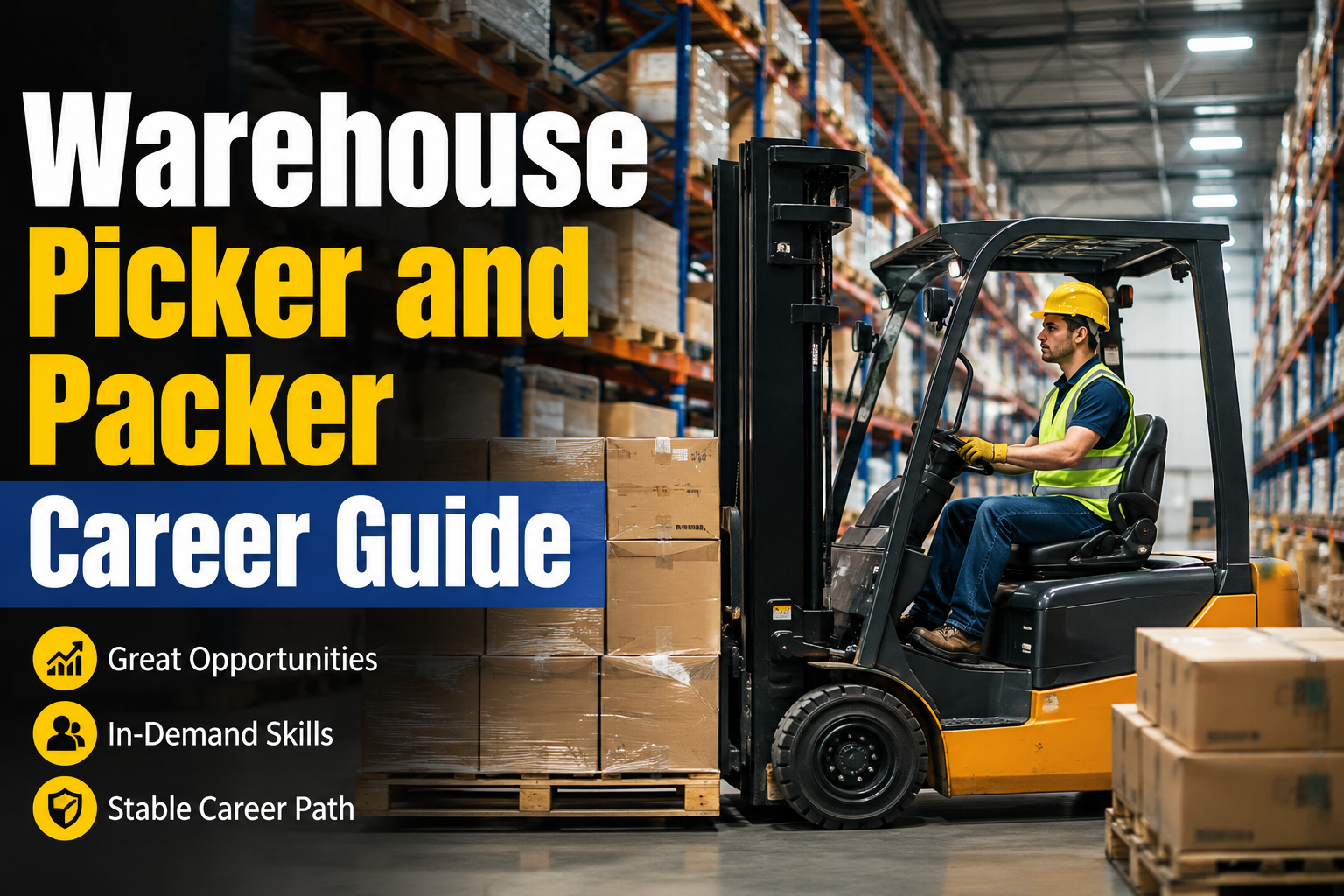
The warehousing and logistics industry plays a vital role in keeping businesses running efficiently. From managing inventory to preparing customer orders, warehouse professionals help ensure products move smoothly through the supply chain.
One of the most important roles in this sector is that of a Warehouse Storeperson. If you enjoy hands-on work, operating equipment, and working in a fast-paced environment, this career may be an excellent fit.
In this guide, we’ll explore the responsibilities, skills, qualifications, salary expectations, and career opportunities available to warehouse storepersons in Australia.
What Is a Warehouse Storeperson?
A Warehouse Storeperson is responsible for handling inventory, receiving goods, preparing orders, and maintaining warehouse operations. They ensure products are stored safely, accurately tracked, and delivered on time.
Warehouse storepersons work across various industries including:
- Manufacturing
- Retail distribution
- Transport and logistics
- Construction supply
- Wholesale businesses
- E-commerce fulfillment centers
The role combines physical work, equipment operation, and organizational skills to keep warehouse operations running efficiently.
Key Responsibilities of a Warehouse Storeperson
Daily tasks may vary depending on the employer, but common responsibilities include:
Picking and Packing Orders
Warehouse storepersons accurately select products from inventory and prepare them for shipment. Attention to detail is essential to ensure customers receive the correct items.
Receiving Deliveries
Incoming shipments must be unloaded, inspected, and verified against delivery documentation. Any damaged or missing goods are reported immediately.
Forklift Operation
Many warehouse environments require forklifts to move pallets and heavy inventory safely throughout the facility.
Inventory Management
Maintaining accurate stock levels is a critical part of warehouse operations. This includes stock movement, counting inventory, and updating records.
Maintaining Workplace Safety
Warehouse staff help keep work areas clean, organized, and compliant with workplace safety standards.
General Warehouse Support
Additional duties may include labeling products, organizing storage areas, loading vehicles, and assisting team members as needed.
Essential Skills for Success
Employers typically look for candidates who possess a combination of technical and personal skills.
Physical Fitness
Warehouse roles often involve lifting, carrying, standing, and moving throughout the day. Good physical condition helps employees perform tasks safely.
Attention to Detail
Accurate order fulfillment and inventory management require strong focus and precision.
Time Management
Meeting dispatch deadlines and handling multiple tasks efficiently is an important part of the role.
Teamwork
Warehouse operations depend on effective collaboration between team members, supervisors, and delivery personnel.
Basic Computer Skills
Many warehouses use inventory management software and digital order processing systems. Basic computer literacy is increasingly important.
Reliability and Work Ethic
Employers highly value dependable workers who consistently perform their duties and contribute positively to the workplace.
Qualifications and Requirements
While entry-level positions may not require extensive experience, employers often prefer candidates who have:
- A valid driver’s license
- A current forklift license
- Previous warehouse or logistics experience
- Basic computer skills
- Strong communication abilities
- The legal right to work in Australia
Having a forklift license can significantly improve employment opportunities and earning potential.
Average Warehouse Storeperson Salary in Australia
Warehouse storeperson wages vary depending on experience, location, and industry.
Typical hourly rates range from:
| Experience Level | Hourly Rate |
|---|---|
| Entry Level | $25 – $30 |
| Experienced | $30 – $35 |
| Senior/Forklift Operators | $35+ |
Many employers also offer benefits such as:
- Superannuation contributions
- Employee discounts
- Overtime opportunities
- Career development programs
- Supportive team environments
Career Growth Opportunities
A warehouse position can serve as a stepping stone to higher-paying logistics and management roles.
Potential career paths include:
Warehouse Supervisor
Overseeing daily warehouse operations and staff performance.
Inventory Controller
Managing stock accuracy and inventory systems.
Logistics Coordinator
Coordinating transportation, deliveries, and supply chain activities.
Operations Manager
Leading broader warehouse and distribution operations.
Supply Chain Specialist
Working on procurement, inventory planning, and logistics strategy.
With experience and additional certifications, career progression opportunities are strong within the logistics sector.
Why Consider a Warehouse Career?
The logistics industry continues to grow as online shopping and global supply chains expand. This creates ongoing demand for skilled warehouse workers across Australia.
Benefits of the profession include:
- Consistent employment opportunities
- Competitive wages
- Opportunities for overtime
- Career advancement pathways
- Practical, active work environment
- Valuable transferable skills
For individuals who enjoy hands-on work and being part of a team, warehouse positions offer a rewarding and stable career option.
Apply Here
Conclusion
A Warehouse Storeperson plays a crucial role in ensuring goods are received, stored, and delivered efficiently. The position offers a mix of physical activity, teamwork, and responsibility, making it an attractive career choice for many job seekers.
With growing demand across Australia’s logistics and supply chain industries, warehouse storepersons can enjoy stable employment, competitive pay, and excellent opportunities for career advancement. Obtaining relevant qualifications such as a forklift license can further increase employability and open doors to higher-level positions.
Frequently Asked Questions (FAQs)
What does a Warehouse Storeperson do?
A Warehouse Storeperson handles inventory, picks and packs orders, receives deliveries, operates forklifts, and helps maintain safe warehouse operations.
Do I need a forklift license to become a Warehouse Storeperson?
Not always, but many employers prefer candidates with a valid forklift license because it allows them to perform a wider range of warehouse tasks.
Is warehouse work physically demanding?
Yes. The role often involves lifting, carrying, standing for extended periods, and moving inventory throughout the day.
What skills are most important for warehouse jobs?
Attention to detail, reliability, physical fitness, teamwork, time management, and basic computer skills are highly valued.
How much do Warehouse Storepersons earn in Australia?
Hourly wages typically range from $25 to $35 or more depending on experience, certifications, and location.
Are there opportunities for career growth?
Yes. Warehouse Storepersons can progress into supervisory, logistics, inventory management, and operations management roles with experience and training.
Is warehouse work a good long-term career?
Yes. The logistics and supply chain sector continues to grow, creating strong demand for skilled warehouse professionals and offering long-term career opportunities.